A Solution for Contaminated Sediments
Wetland capping is a proven method for restoring and protecting contaminated wetland environments. This process involves placing a specialized cap—made of clean sediment, engineered materials, or a combination—over polluted sediments to prevent contaminants from spreading into the water column.
The Importance of Wetland Capping
Many wetlands across North America have been impacted by industrial pollution, agricultural runoff, and other environmental stressors. Contaminated sediment can threaten plant life, wildlife, and water quality. Wetland capping is a critical solution to:
- Contain harmful pollutants and prevent their migration.
- Promote natural ecosystem recovery by providing a clean start plant and aquatic life.
- Reduce long-term remediation costs compared to dredging and disposal.
MAE’s Process for Wetland Capping
Site Assessment
Evaluating sediment conditions and determining the appropriate capping materials.
Material Selection
Using natural or engineered materials like sand, clay, or activated carbon to bind and isolate contaminants.
Precision Placement
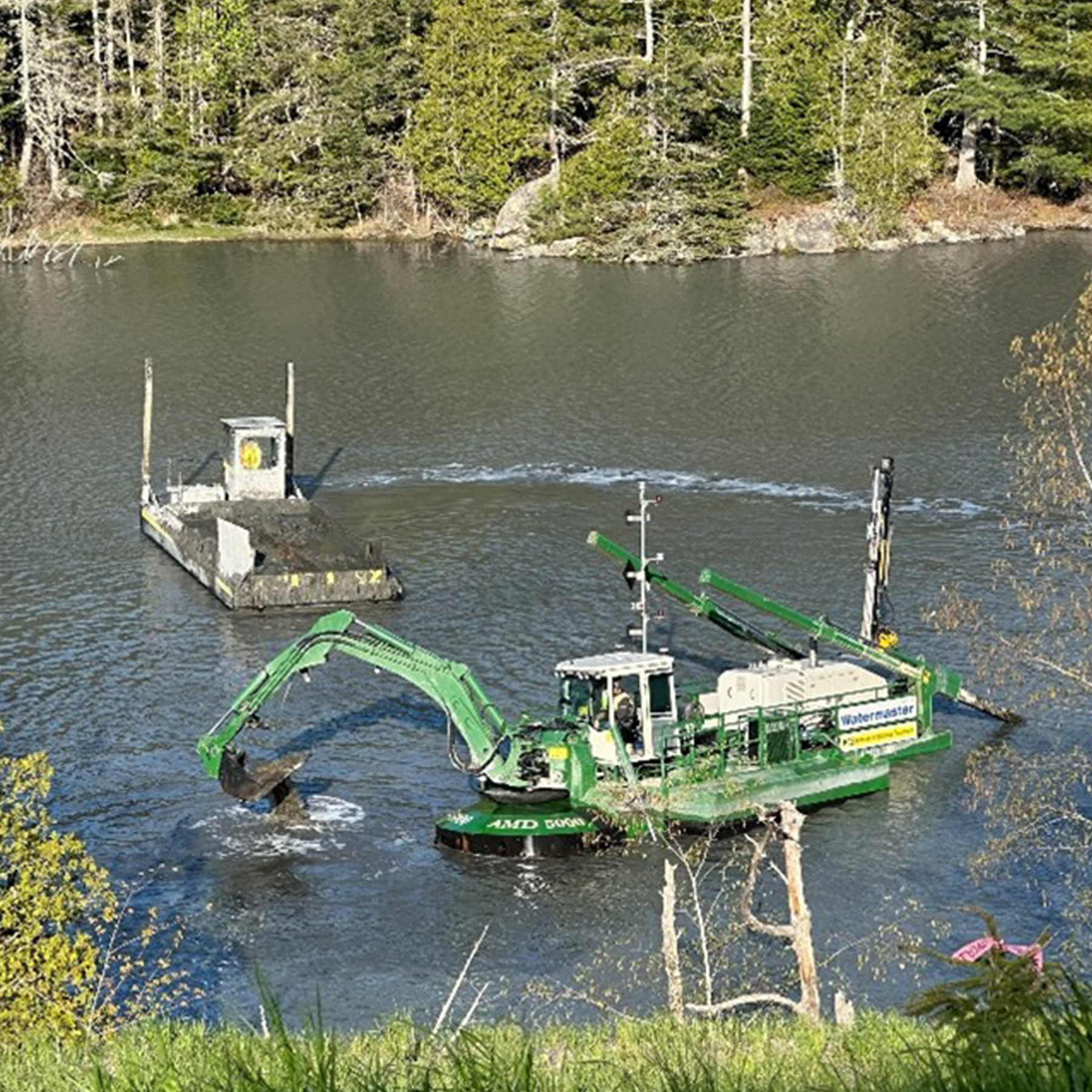
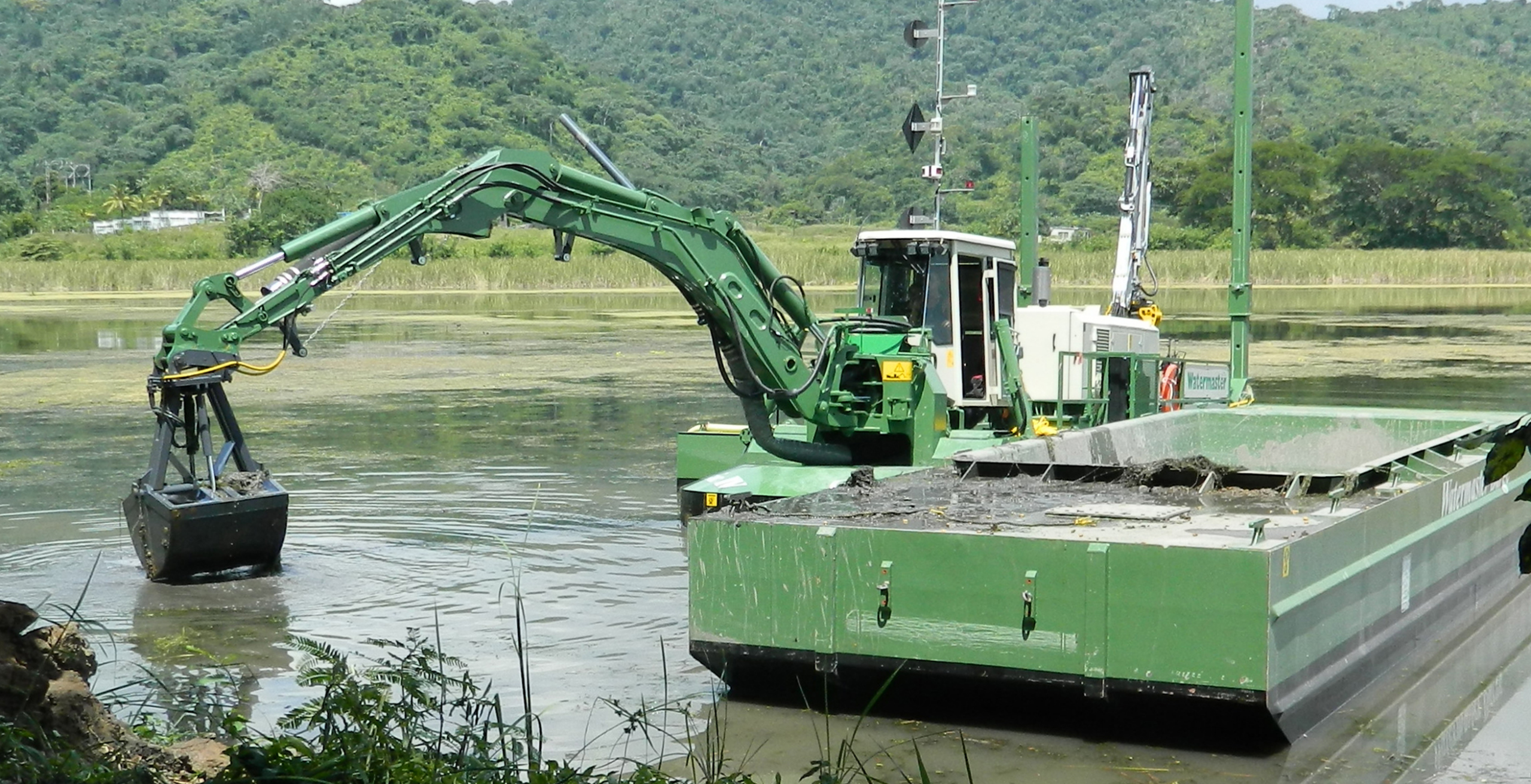
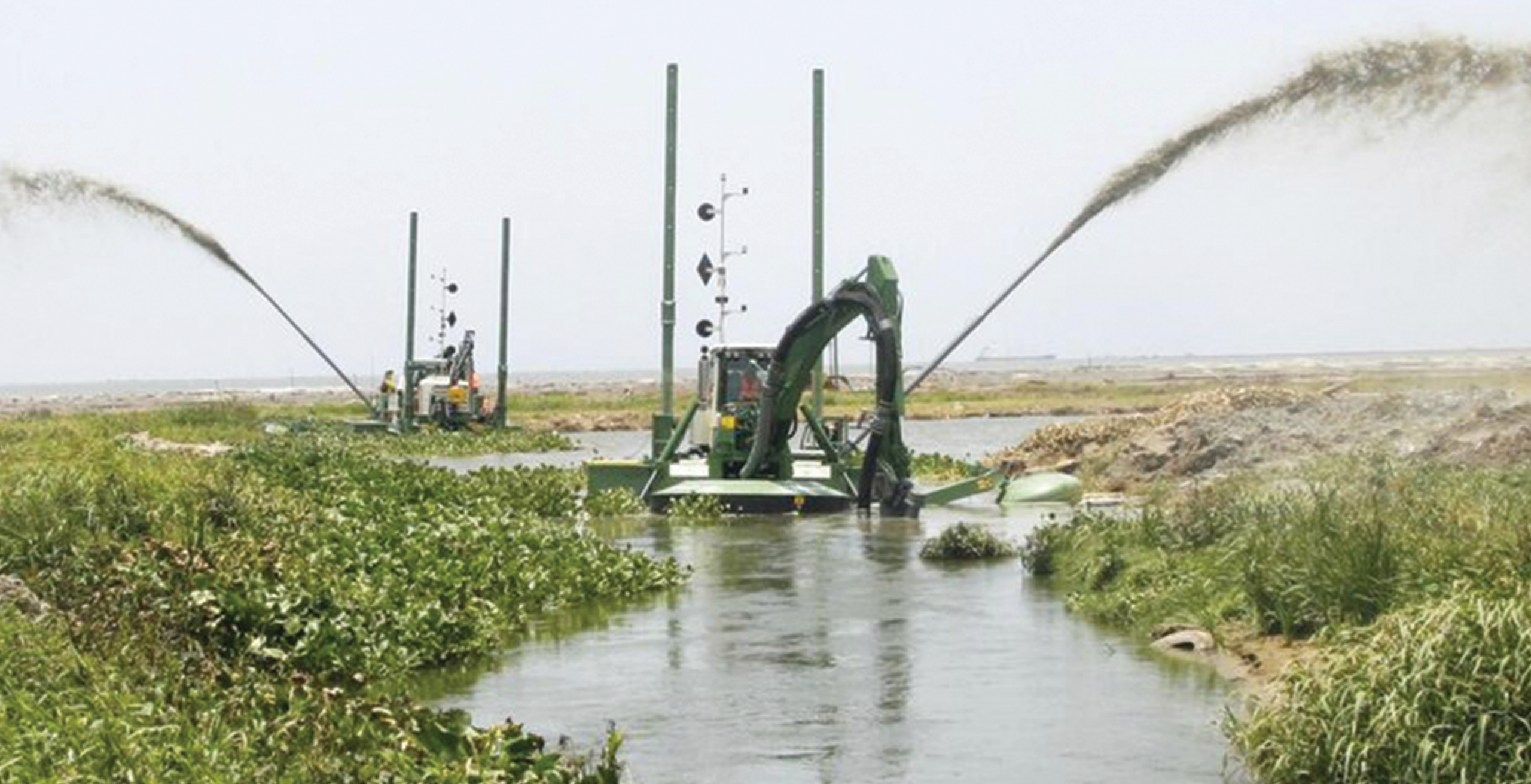
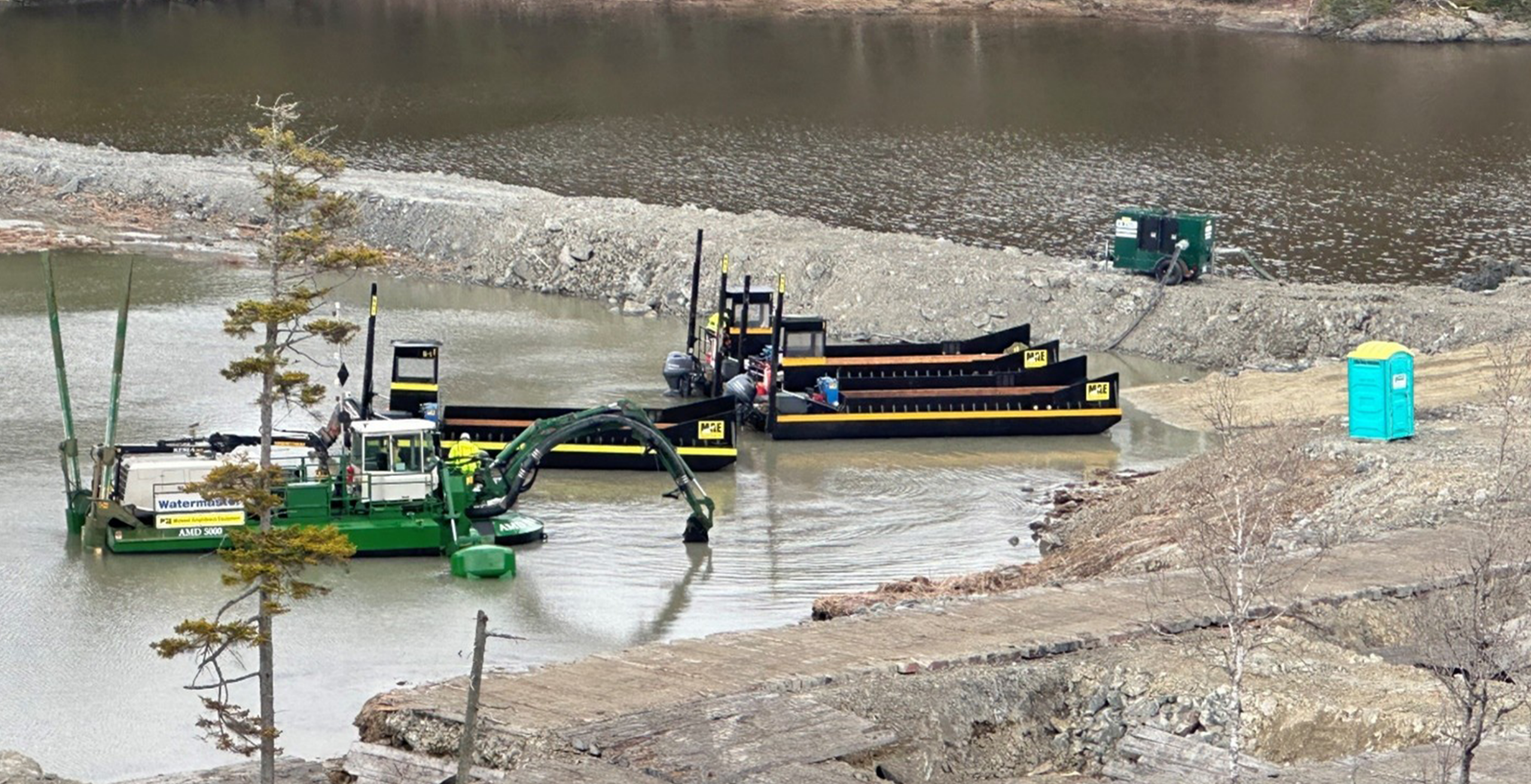
Utilizing advanced equipment such as amphibious dredgers and sediment spreaders to evenly distribute the cap without disturbing the ecosystem.
Specialized Equipment for Wetland Capping
MAE provides efficient solutions for wetland capping projects, including:
- Amphibious Excavators – Designed for work in shallow and sensitive environments.
- Sediment Spreaders – Ensuring precise placement of capping materials.
- Dredging & Dewatering Systems – Supporting capping operations when sediment removal is necessary.
With extensive experience in waterway maintenance and environmental restoration, MAE delivers the expertise and equipment required for successful wetland capping projects. Our team ensures regulatory compliance while minimizing environmental impact.